



How to Choose the right Pest Control Company
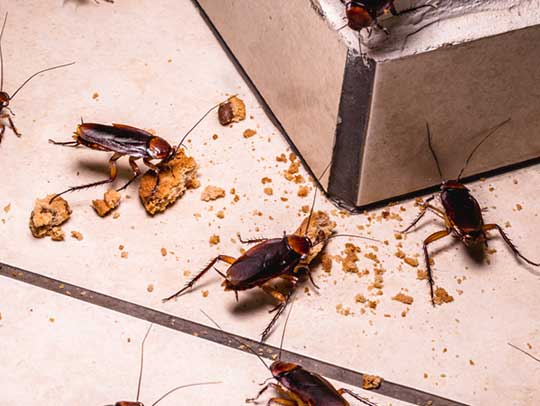
Pest and wildlife infestations in Greater Tampa Bay are common place. Homeowners and businesses will sometimes attempt to deal with infestations themselves, but this can pose unnecessary safety and health risks. Below we provide some simple steps to help safeguard your home or business against invading pests and wildlife, but if you need help we are a local pest and wildlife control company providing specific services for the type of pests and wildlife in Hillsborough, Pasco, Pinellas and Polk Counties for roaches, ants, spiders, wasps, mosquitoes and wildlife removal of rats, bats, raccoons, squirrels, snakes, opossums all commonly delt with in Central Florida
In searching for a pest control company it is important the company has local expertise, customer and building structure familiarity, certified technicians and competitive pricing – along with being licensed and insured further protecting you. You will also see from our Critter Control® Google reviews we are praised for our highly skilled team members, the quality of work provided resulting in customer satisfaction and peace of mind. We are a family-owned, veteran-owned company offering military and first responder discounts in addition to senior discounts.?
Simple Ways to Safeguard Your Home Against Invading Pest and Wildlife
As homeowners, we cherish our living spaces and want to keep them safe from unwanted intruders including pests and wildlife. Animals like squirrels, raccoons, bats, and rodents can cause significant damage to our homes and pose health risks to our families. Ants, cockroaches, spiders, stinging insects can all make their way into your home and take up occupancy. Fortunately, there are simple DIY pest control steps you can take to protect your home from these invaders. Here are five practical pest control tips to safeguard your home:
1. Seal Entry Points
Common Pests and Wildlife often gain access to home through small gaps and openings. Inspect your home’s exterior for potential entry points such as cracks, holes, and gaps around windows, doors, and utility lines. Pay special attention to your roof and attic, as these are common entry points for animals. Use caulk, steel wool, or weather stripping to seal these gaps. Installing metal mesh screens over vents and chimneys can also prevent animals from entering. If you have a garage, the garage door seal is vital to keeping out pests.
2. Trim Overhanging Branches
Trees and shrubs that are close to your home can provide easy access for pests and wildlife. Overhanging branches act as bridges for many types of pests and animals like rats, squirrels and raccoons. Regularly trim branches that touch or are close to your roof and walls. This not only deters wildlife from accessing your home but also reduces the risk of damage during storms.
3. Secure Trash and Food Sources
The pest problem starts outdoors. Wildlife and pests are attracted to homes in search of food and shelter. Ensure that your trash cans are sturdy and have tight-fitting lids. Avoid leaving pet food, birdseed, or any other food sources outside, especially overnight. Consider using wildlife-proof containers for garbage and compost. Keeping your yard clean and free of fallen fruit, nuts, and other food sources can also help deter animals. Never stack items up against your home.
4. Install Motion-Activated Lights
Wildlife, particularly nocturnal animals like raccoons and opossums, tend to avoid well-lit areas. Installing motion-activated lights around your property can help scare off these animals. Place lights near entry points, garbage areas, and other vulnerable spots. This simple measure can make your home less appealing to wildlife looking for a place to nest.
5. Use Natural Repellents
Natural repellents can be an effective way to deter wildlife from entering your home. Some animals are sensitive to certain smells and will avoid areas where these scents are present. For example, peppermint oil and vinegar can repel rodents, while ammonia-soaked rags can deter raccoons. Sprinkle cayenne pepper or garlic around potential entry points to discourage animals from getting too close. However, be mindful of pets and children when using these repellents.
Conclusion
Protecting your home from invading wildlife doesn’t have to be complicated or expensive. By taking these simple steps, you can safeguard your home and ensure a safe, comfortable living environment for your family. Regular maintenance and vigilance are key to preventing pest and wildlife from making your home their own. Remember, when dealing with wildlife issues, it’s always best to consult with a professional such as Critter Control® if you encounter persistent problems or need assistance with safe removal. Stay proactive, and enjoy a pest and wildlife-free home!
Some of the Greater Tampa Bay areas that may experience higher instances of pest infestations include:
- 33712 (St. Petersburg, Midtown area): Older homes and dense urban environments can contribute to higher instances of pest issues like rodents, snakes, cockroaches, and biting and stinging insects. This area is known to have older housing stock, which may be more susceptible to pests.
- 33705 (Lake Maggiore area, St. Petersburg): Proximity to the lake and other water bodies can lead to increased issues with mosquitoes and other water-loving pests. Additionally, older neighborhoods can experience issues with roof rats, snakes, cockroaches and ants.
- 33714 (Lealman area): This ZIP code includes a mix of residential and commercial properties. The presence of older buildings and a mix of dense residential and industrial areas can contribute to various pest problems.
- 33709 (Kenneth City, St. Petersburg): Like other areas with older homes and commercial properties, this ZIP code might see more frequent reports of pest issues, particularly with rodents and insects.
Riverview (33569, 33578, 33579), Tampa (33610, 33612, 33617), and Brandon (33511, 33510) are known for significant pest control activities. These areas see frequent issues with rodents, termites, and nuisance wildlife like raccoons and bats. Riverview, in particular, has reported problems with rodents, squirrels, and raccoons, often necessitating professional pest control services. Tampa neighborhoods, especially those in ZIP codes like 33610 and 33617, deal with a variety of pests, including flying squirrels which are particularly troublesome due to nesting in attics.