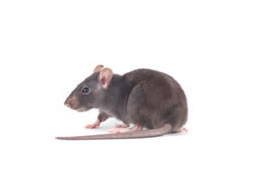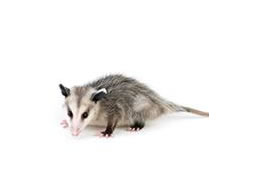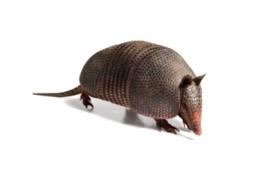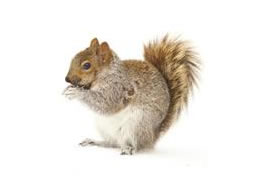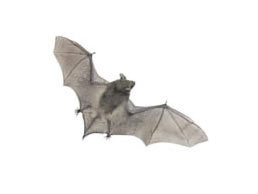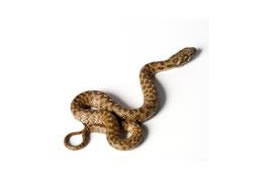



At Critter Control of Tampa, we know that the number of critters you find on your property can be as diverse as the number of problems they can cause. From raccoons damaging your eves and making a home in your attic to squirrels gnawing your home’s wood and wiring, it’s important to understand what kinds of pests you may encounter, and the issues they can cause.
Identify Critters Quickly
When it comes to safely dealing with critters, it’s crucial not to waste time. As local pest control experts, Critter Control of Tampa can help you find the answers you need in this comprehensive library of critters. You can also check out our blog for more answers to your critter questions.
Not sure which critter is causing the problem on your property?
HomeHelpIQ Smart Home Problem Checker helps identify the likely issue before you call.
Schedule a Free Inspection Today
Whenever you come across a critter, it’s always wise to consult professionals before trying to handle it yourself. When you’re in a bind, call an expert from Critter Control of Tampa. We’re dedicated to educating homeowners and business owners on humane ways to solve their critter problems.
Whether bats have made your attic their summer home or a snake has invited itself into your bathroom, we’re here to help you quickly and humanely remove or exclude pests from your home. Give us a call or contact us online for a free inspection today.
Wildlife Removal (Frequently Asked Questions)
Why do wild animals come into residential neighborhoods?
Wild animals enter neighborhoods in search of food, shelter, or nesting areas. Residential properties can offer protection from predators and easy access to resources, making them attractive environments.
How can I tell if wildlife is living near my home?
Signs may include unusual noises, disturbed landscaping, droppings, or visible entry points around the structure. Repeated activity often indicates wildlife presence near or inside the property.
What are the signs of wildlife activity around a property?
Common signs include tracks, burrows, damaged vents or siding, overturned trash, and noises in attics or crawl spaces. These indicators help identify possible wildlife activity.
Why are some animals more active at night than during the day?
Many wildlife species are nocturnal and are naturally more active at night. Lower human activity and cooler temperatures allow animals to move around with less disturbance
How do Florida weather patterns affect animal behavior?
Florida’s warm climate supports year-round wildlife activity. Changes such as heavy rain or cooler temperatures may cause animals to seek shelter closer to homes.
What attracts wildlife to yards and gardens?
Food sources, water, dense vegetation, and shelter can attract wildlife. Gardens, pet food, fruit trees, and unsecured trash are common attractants.
What should I do if I see wildlife in my backyard?
It’s best to keep a safe distance and avoid direct interaction. If wildlife activity becomes frequent or causes damage, professional wildlife removal in Tampa can help assess the situation.
Why do animals make noises in attics or walls?
Animals may enter attics or wall spaces for warmth, nesting, or protection. Movement, scratching, or thumping sounds often indicate wildlife activity in these enclosed areas.
How do seasonal changes affect wildlife activity in Tampa?
Seasonal changes can influence breeding, feeding, and shelter-seeking behavior. Some wildlife may become more noticeable during certain times of the year due to these natural cycles.
What are common entry points for animals into homes?
Animals often enter through roof gaps, vents, soffits, chimneys, crawl space openings, or damaged siding. Small openings can provide easy access for wildlife.
How can I prevent wildlife from entering crawl spaces or attics?
Prevention includes sealing openings, repairing damaged areas, and reducing attractants around the home. Professional wildlife removal services can help identify and secure vulnerable areas.
What should I do if I find an animal nest on my property?
Avoid disturbing the nest, as some animals may be protected or aggressive when nesting. A wildlife removal professional can safely evaluate the situation and recommend appropriate next steps.
How can landscaping influence wildlife behavior?
Landscaping with dense plants, low branches, or ground cover can create shelter for wildlife. Maintaining vegetation and limiting access points can help reduce wildlife activity.
Why do animals climb roofs or fences?
Roofs and fences can provide access to food sources, nesting areas, or elevated travel paths. Trees and nearby structures often help animals reach these areas.
How do professionals identify which animal is causing a problem?
Professionals identify wildlife through signs such as tracks, droppings, entry damage, and behavior patterns. Accurate identification is important for proper wildlife removal.
Why do wild animals sometimes appear more in certain seasons?
Seasonal breeding, weather changes, and food availability can make wildlife more noticeable. These factors influence when animals move closer to residential areas.
How does urban development change animal habitats?
Urban development can reduce natural habitats, pushing wildlife to adapt to residential environments. As a result, wildlife may rely more on neighborhoods for shelter and resources.