



For most people, discovering bats inside their home is a nightmare. And why not? These creepy blood sucking species are not only scary, but also dangerous in terms of health and surroundings. Even if you mistakenly stepped on their droppings (bat guano), things might get serious. So getting rid of them is not just a choice, it’s mandatory for yourself and your loved ones. That’s why, here, we’re providing you with proven ways on how to bat-proof your home this season.
Why Bats Love Attics During Seasonal Changes?
Well, bats practically can’t see with their eyes. They use sonic waves and temperature readings to locate their food and stuff. And during cooler seasons and maternity season, they actively search for safe, sheltered spots to roost. Your attic, quiet and undisturbed, offers the ideal environment for them. It’s dark, warm, dry, and high above the ground.
Attics feel like caves to them. Once inside, they’ll cling to the wooden rafters, nesting in colonies and settling in for the season. Female bats may form maternity colonies. If you find this situation at home, contacting a bat control service might be necessary.
Check Your Roof for Gaps and Cracks
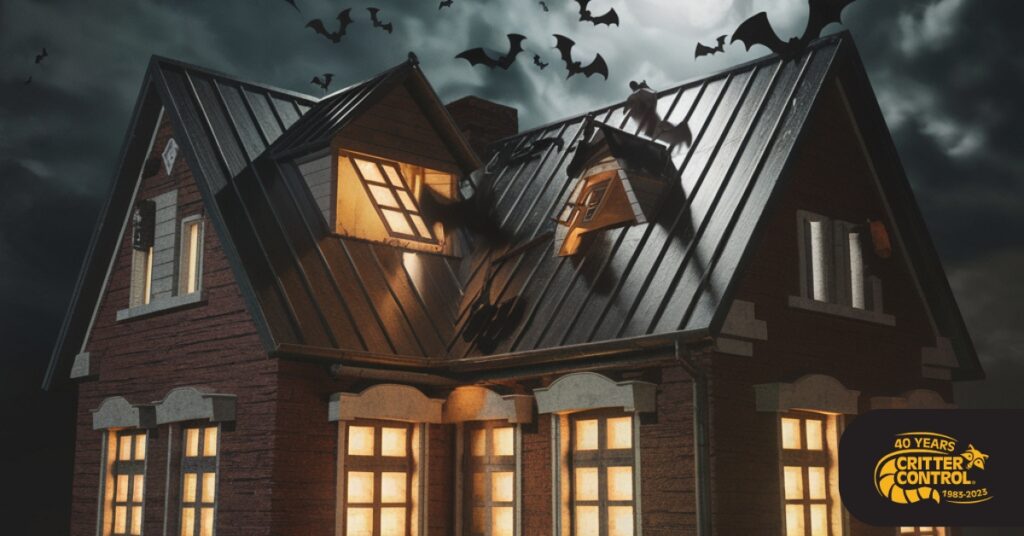
For bats, it’s only about gaps on the roof. They need one small gap, and they’ll be inside. Sometimes it can be as small as the width of the pencil. So it’s important to keep a check.
You can start by conducting a thorough inspection:
- Make sure that you look for loose roof tiles, roof metal gaps, or curled shingles, especially near the edges.
- Examine the fascia boards and soffits for missing facia, warped wood ,or peeling caulk.
- Shine a flashlight along flashing and roof joints to spot hairline cracks.
- On sunny days, go into the attic and look for pinpricks of light—these often signal tiny entry points.
Install Bat-Proof Covers on Vents and Chimneys
If you try to imagine the bat’s perspective, then your chimney is a vertical cave, and your attic vents are perfect for shelter. If these are left uncovered, then they can be hot spots for them.
To close off these high-risk areas, you can:
- Install fine-mesh screens – Installing fine-mesh screens, which are ¼ inch or smaller, over your attic and gable vents can be the solution. However, these still allow some air to flow, but can be the tightest spot for small bats, probably impossible for bats.
- Add a stainless steel chimney cap – The next possible solution can be adding stainless steel chimney caps to stop not only bats, but also small birds or raccoons from entering your place.
Also, it’s important to inspect and reinforce existing covers at the same time.
Keep Outdoor Lights Off at Night
As an obvious reason, one of the less obvious bat attractants can be your porch light. Bats aren’t drawn to the light itself—but to what flocks around it: insects. Also, the warm glow of a porch or garage light can draw clouds of bugs, making your home a buffet for hungry nighttime hunters.
To reduce your home’s appeal, you should:
- Try using motion sensor lighting instead of leaving outdoor lights on all night.
- Also, you can switch to yellow bulbs as they are less attractive to insects.
- Keep curtains closed after dusk to reduce interior light leaking outside.
- Avoid decorative lighting near vents, eaves, or open attic spaces.
Fun fact: less light means fewer bugs. Fewer bugs mean less reason for bats to stick around. It’s a simple step that can dramatically shift your home’s nighttime ecosystem.
Call a Professional for a Full Inspection
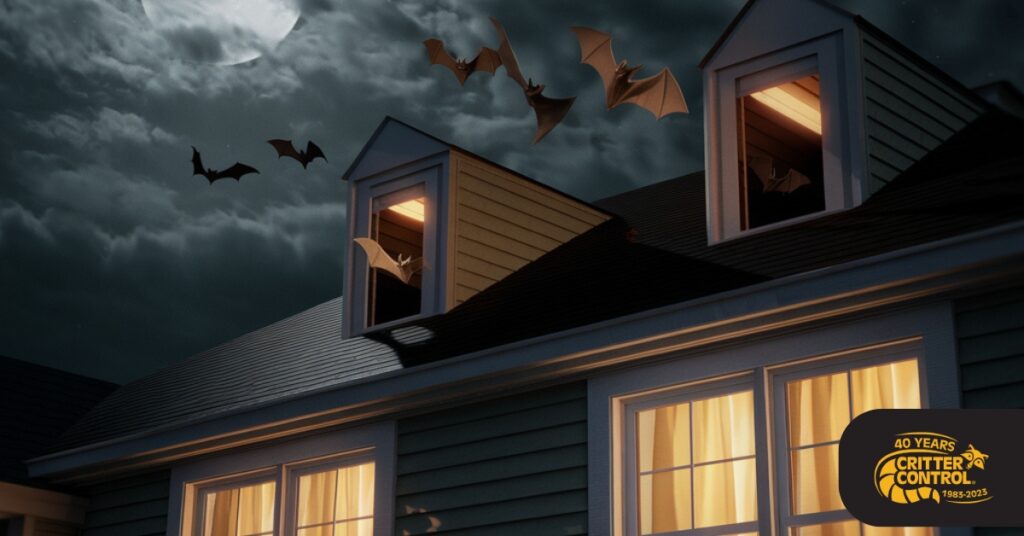
After being aware of all the possible tips and tricks, it’s time to call a professional, as removing a bat on your own can be a risky venture. Not just for your health and safety, but many species of bats are federally protected. If you hear rustling in the attic at dusk or find droppings that resemble small black grains of rice, it’s time to bring in the experts.
A licensed wildlife professional can:
- Easily conduct a thorough inspection of your home.
- Can use specialized tools and protective gear to safely remove bats.
- Can guide you on how to stop them in the future.
- Also, it can be available during an emergency, if needed.
Note: Many states and countries have strict laws about when and how bats can be removed due to their ecological value. Professionals are trained to comply with these laws while keeping your home safe and bat-free. If you’re unsure where to start, contacting a bat removal service ensures the process is handled legally and effectively.
Conclusion
So, helpful tips regarding how to bat-proof your home this season. Also, calling a professional from Critter Control can be the best option. So, if you’re struggling with how to resolve an invading bat issue, what are you waiting for? Contact us now!