




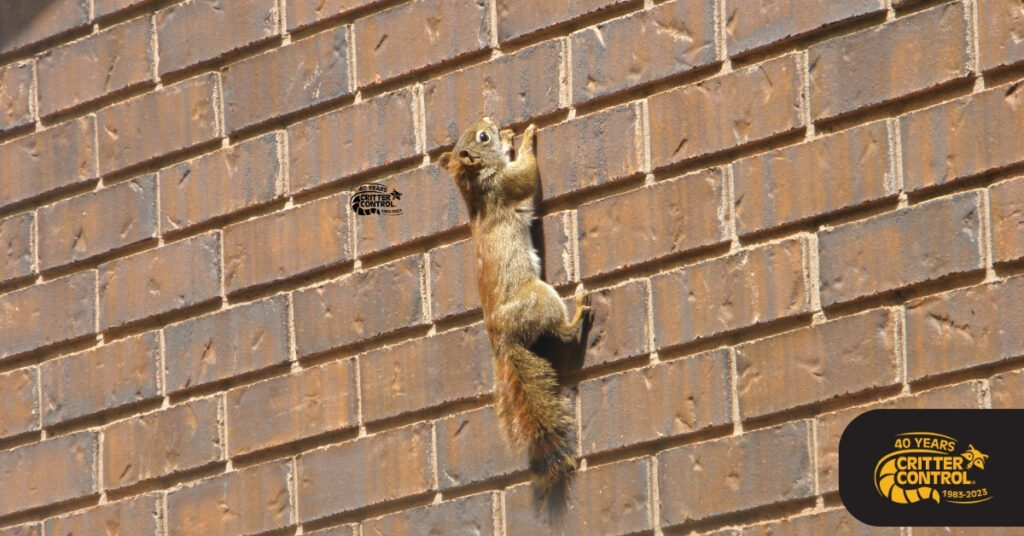
Of all wild animals, perhaps squirrels are the most accustomed to being around humans. This isn’t necessarily a positive. Squirrels which have been fed by humans learn not to have a healthy fear of them and become ever more daring. Some have been known to snatch food off of picnic tables when people aren’t watching, and others have even entered houses to make nests in the walls. Maybe you suspect that this has happened to your home. Keep your eyes peeled for the following signs to help you figure out if you have been harboring a squirrel in your walls.
1. You hear noises in your walls.
If there are squirrels in your walls, you might first notice scratching, scurrying, squeaking, or chirping in your house. And if it’s a case of a mother squirrel raising babies in your walls, these noises will be impossible to ignore. To confirm your suspicions, begin checking around your house to see if you can find any way they could’ve made it inside.
2. You smell a foul odor that seems to be localized.
Any wild animals that live in your house for an extended amount of time will leave traces, not least of which is a horrible stench. Most of the time, the smell will predominantly be of urine if the animals are still alive. In the worst case scenario when they die inside the walls, the smell could be unbearable.
3. You notice squirrel droppings in or around your house.
Squirrel droppings in several areas around your house can be a good indicator of activity, but if you find them inside as well, you have a surefire sign that the furry rodents have made it inside. They can look similar to bat droppings, but a professional animal control technician will be able to identify them with certainty.
4. There seems to be the same squirrel or two always around your home.
Next, you might notice that there is always a pesky squirrel lurking around when you go outside. It might even try to run inside your garage or house when it thinks the coast is clear. This can be a sign that they’ve found a food source like a trash can that could attract them to make a nest inside.
5. The exterior of your house has sustained chewing damage.
Since squirrels spend a lot of time in trees, they might attempt to drop onto your roof and find access inside from there. Normally, you’ll be able to identify shingles that look like they’ve been chewed on. But, other areas like vents, soffits, and cracks in the exterior might also show chewing damage.
6. You find squirrel tracks.
You may or may not notice squirrel tracks around your doors or patio. On hot, dry days it is more unlikely, but if has rained recently, tracks might be more visible. If you find strange tracks inside, they are almost certainly nesting somewhere out of sight.
7. There seems to be some water seeping into your ceiling or inside the walls.
Finally, it might look like you have a leaky pipe in the attic or walls causing water damage to the structure of your house. Go over and try to smell it. If there are squirrels in the walls, this “water damage” is probably their urine pooling and seeping into the walls.
Why Squirrels Choose Walls and Attics
Squirrels look for warm, protected spaces to build nests, especially in colder months. Walls and attics provide safety from predators, easy access to food, and shelter from harsh weather. Once they gain entry, they may chew through insulation, wiring, and wood, which can cause damage and even pose fire risks.
This is why squirrel removal from attic or wall infestations should always be handled by professionals. They not only remove the squirrels but also repair damage and seal entry points to prevent future problems.
Risks of Ignoring a Squirrel Infestation
Even a small squirrel problem can escalate quickly. Female squirrels may have multiple litters in a year, and their young can also carry diseases or parasites. Squirrels in walls and attics can:
- Chew through electrical wiring, creating fire hazards
- Damage insulation, causing higher energy bills
- Contaminate air and surfaces with urine and feces
- Spread parasites such as fleas, mites, and ticks
Ignoring these risks can lead to costly repairs and serious health hazards, which is why same day squirrel control is recommended when signs of infestation appear.
Professional vs. DIY Squirrel Removal
Attempting to remove squirrels on your own can be dangerous. Sick or frightened squirrels may bite or scratch, spreading diseases such as rabies or leptospirosis. Professional technicians have the training and equipment to safely remove squirrels, clean contaminated areas, and repair damage.
Emergency squirrel removal services can help in urgent situations, while routine inspections can prevent future infestations. Using experts also ensures humane removal and long-term protection for your home.
Prevention Tips
After squirrels are removed, preventing re-entry is critical. Homeowners can:
- Seal holes, vents, and cracks in roofs and walls
- Trim tree branches away from the roofline
- Secure trash cans and pet food
- Install chimney caps and vent covers
- Schedule seasonal inspections
Preventive measures help reduce the likelihood of squirrels returning to your walls or attic.
Squirrel Removal Experts
If you have squirrels living in your walls, then you have a serious problem on your hands. Fortunately, it is not a problem too big for Critter Control® of Tampa to handle. Our team has years of experience in animal control, and we can remove wildlife, clean up their mess, and repair the damage they caused. To schedule a free inspection, please give us a call today.
We specialize in squirrel removal from attic and walls, providing same day squirrel control and ensuring your home stays safe and pest-free.