



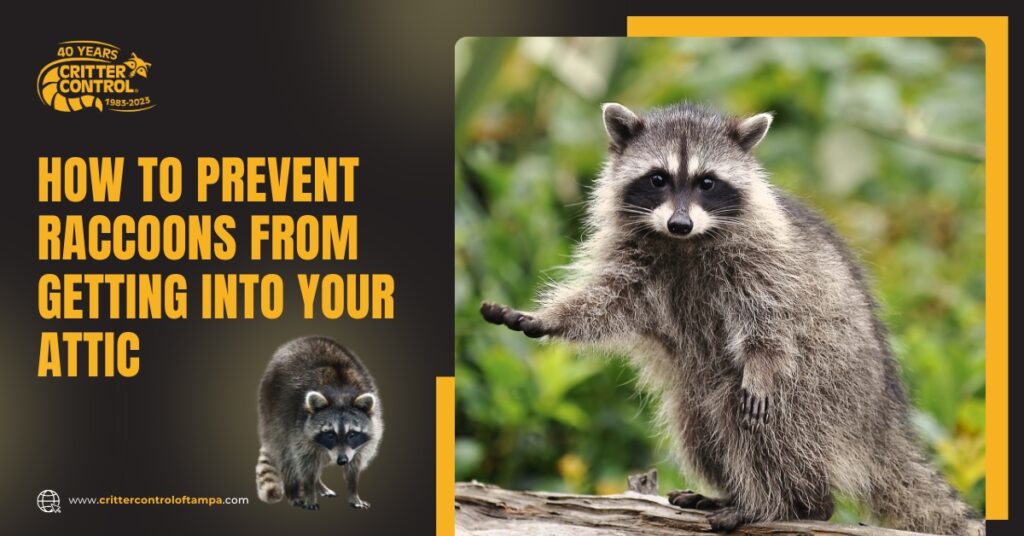
Imagine a scenario where you went upstairs to your attic for cleaning, and what did you find there? A raccoon. Weird, right? Though raccoons might look cute from a certain distance, but having them in your attic is a different story. These species are highly intelligent and dexterous, even capable of opening latches, tearing through siding, and nesting in the smallest of spaces. If they are mistakenly inside your attic, there will be an absolute mess that you won’t appreciate. Sometimes, raccoons even leave behind droppings that can cause health issues. Considering this, it’s important to be at a safe distance from them. So here, read about how to prevent raccoons from getting into your attic or when necessary, consider calling emergency raccoon removal professionals.
Identifying Common Entry Points For Raccoons
The first thing is to identify the common entry points for raccoons. For this, understanding that raccoons are strong climbers and excellent problem solvers is crucial. This will allow you to trace the spots effectively.
Room Vents And Chimneys
The chimneys that are without caps and without heavy-duty screens are the prime entry points for raccoons. They can easily climb down into your attic or even can build a nest inside your chimney.
Fascia Boards & Soffits
The next possible entry can be rotted or weakened wood along the roofline. Yes, it’s true. Raccoons can tear apart loose soffits or push through aging fascia boards to gain access.
Gable Vents & Dormer Windows
Gable vents and attic windows, especially if they have missing or damaged screens, are popular entry points.
Roof Edges & Eaves
The next possible entry points could be loose shingles, gaps near gutters, or poorly sealed eaves that provide just enough space for raccoons to pry their way inside.
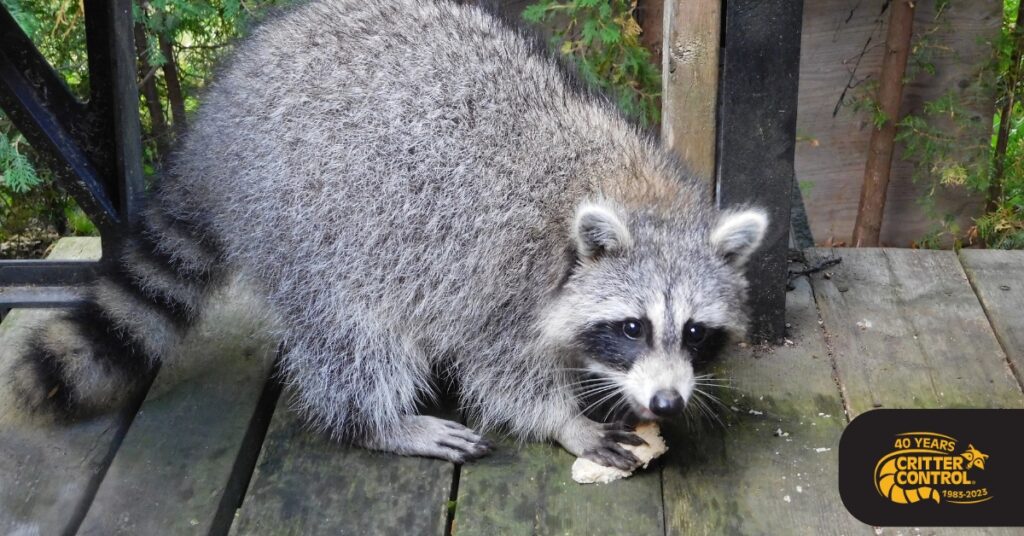
Note: Possible signs to identify raccoon’s entry are scratch marks, droppings, torn insulation, or unusual noises at night.
Securing Potential Access Areas
After being mindful of the potential entry points, it’s time to secure the potential access for the possible areas. For this:
Install Chimney Caps & Roof Vent Covers
Using rust-proof metal chimney caps and reinforced mesh vent guards should be the number one priority. Not only this, but also make sure that these are securely attached and designed to withstand force and weather conditions.
Repair Structural Damage
Replace rotted wood, seal cracks with caulk or expandable foam, and reinforce any weak areas along the roofline and attic walls.
Trim Tree Branches
Raccoons often access the roof by climbing nearby trees. Trim back any branches within 6–8 feet of your home to eliminate this natural bridge.
Use Hardware Cloth
Cover attic vents, soffits, and potential openings with galvanized hardware cloth. This is much harder for raccoons to chew through or remove than standard screens.
Eliminating Attractants Around Your Property
Prevention doesn’t fully solve the problem. Eliminating attractions from the property is also very important. Here are few things that you can keep in mind.
Secure Garbage Bins
Use heavy-duty trash cans with locking lids or bungee cords. Keep garbage indoors until collection day if possible.
Remove Any Pet Food And Bird Feeders
Any kind of pet food that is left outdoors or even scattered bird feeds acts as a feast for raccoons.
Clean Up Any Fallen Fruit
Raccoons love fruit. So if you have fruit-bearing trees, make sure that you’ve removed any fallen fruits.
Eliminate Water Sources
Do you have small kid pools, birdbaths, or any containers that store or collect water? If yes, then make sure that you dry them up or remove them, as this could be an attraction for them.
Implementing Deterrent Measures
Still not getting rid of these species? Deterrents can help reinforce your defenses. These methods can keep raccoons wary of your property and discourage exploration:
Use Motion Lights
Another good thing to do is to use motion lights. Doing this, you’re shocking raccoons, and this makes you a little safer.
Ultrasonic Repellents
Using ultrasonic repellents irritates the raccoons. These are the devices that emit high-frequency sounds (inaudible to humans but irritating to wildlife) that can discourage raccoons from approaching your house.
Chemical Repellents
The next thing is natural deterrents like predator urine, pepper sprays, or ammonia-based repellents. Yes, this can be applied around known pathways and entry points.
Install Barriers or Fencing
If raccoons are getting into garden beds or crawl spaces, this might be irritating for you, install fencing that’s buried several inches underground and bends outward to prevent digging.
Seeking Professional Wildlife Control Services
It’s always better to seek the professional in such situation. Doing so, you’re decreasing the chances of any mistakes.
- Expert Inspections: Professionals will thoroughly inspect your attic and surrounding areas to identify all entry points and signs of damage.
- Humane Removal: They use safe, ethical methods like live trapping to remove raccoons without causing harm.
- Exclusion Services:Once the animals are removed, they seal off entry points using durable materials to prevent re-entry. For businesses, this often ties into broader commercial pest control services.
- Sanitation & Restoration: Many services include cleaning contaminated insulation, deodorizing the space, and repairing damage caused by the raccoons.
Critter Control, for example, offers comprehensive wildlife management services tailored to raccoons, including removal, prevention, and cleanup.
Conclusion
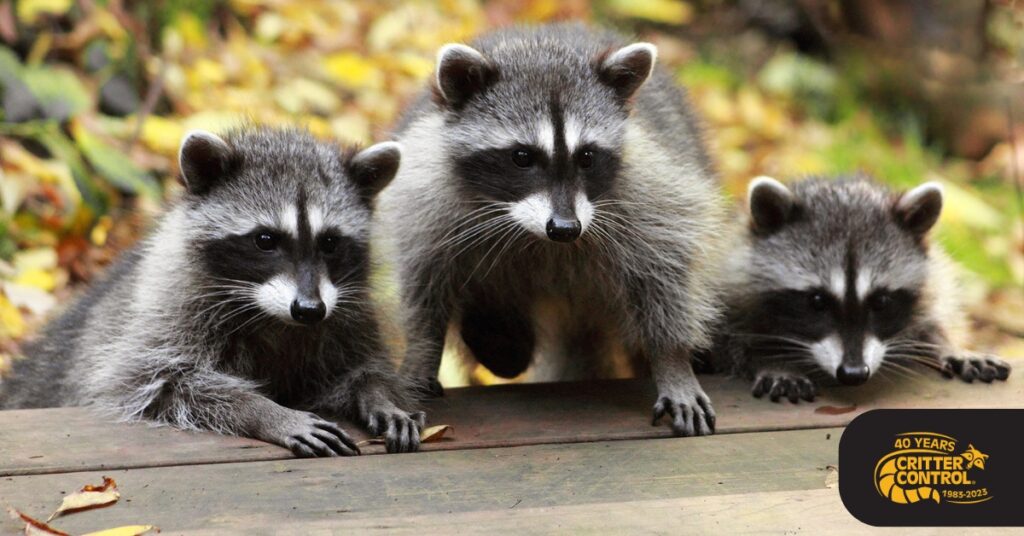
Preventing raccoons from getting intor your attic requires a mix of vigilance and other measures. Doing this, you’re saving yourself from unnecessary hassle. Also If the problem becomes too complex to handle alone, don’t hesitate to bring in wildlife control professionals. A quick response can save you thousands in repair costs and protect the health and safety of your household. Good luck!