



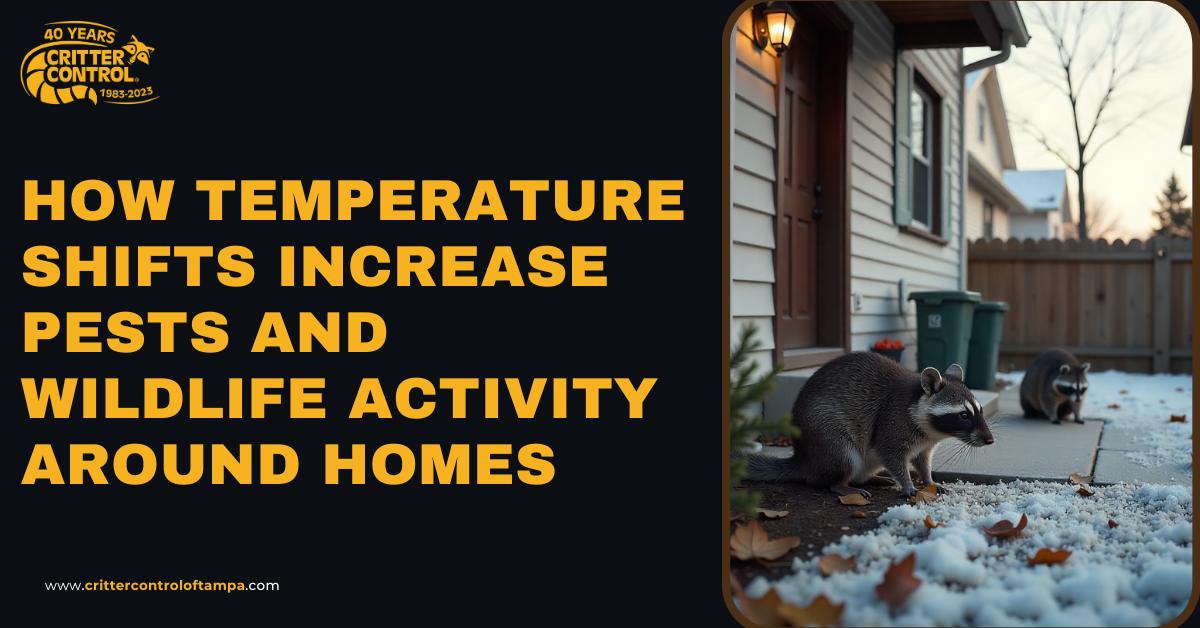
Have you ever wondered why pests and wild animals seem to show up more when the weather changes? Whether it’s getting hotter or colder, these temperature shifts make wildlife and pests more active. They start looking for food, water, and shelter, and often end up around or even inside your home.
In this blog, we’ll talk about how temperature changes affect pest and wildlife behavior, what kinds of animals you might see more often, and how to protect your home.
Why Temperature Changes Affect Pests and Wildlife
Nature is a primary source of most pests and wild animals to meet their needs. Besides heating and air conditioning, humans enjoy, animals and pests also find that in cold or hot weather, they have to move to be comfortable quickly.
- Animals become eager to find warm shelters in cold weather. Attics, garages, and wall gaps are among the places where they can be safe and warm.
- When it is hot, they want to find cool places that have shade and water such as under decks, in crawl spaces, or near leaky pipes.
Due to these seasonal relocations, they are often closer to people’s homes. Consequently, you may experience that a lot of animals are in your yard, attic, or kitchen because of sudden temperature changes.
Common Pests and Wildlife Seen During Temperature Changes
Different animals appear in different weather conditions. Let’s look at some of the most common ones you might spot around your home.
Rodents (Rats and Mice)
When it gets cold, rats and mice want warmth and food. They can squeeze through very tiny gaps in your walls or roof. Once inside, they build nests and can chew wires, insulation, and food containers.
If you hear scratching noises at night, it could be a sign of rodents. That’s when you may need help from a wildlife removal Tampa expert.
Raccoons
Raccoons are smart animals that look for cozy hiding spots when temperatures drop. They often climb onto roofs and enter attics. Once inside, they can tear insulation and even damage ducts.
During summer, raccoons may look for food in garbage bins or pet food bowls left outside.
Squirrels
Squirrels are active all year, but when the weather changes, especially in winter, they search for warmth. Attics and chimneys are favorite places for them to build nests.
Opossums
When temperatures fluctuate, opossums may move around more in search of food. They often shelter under decks or sheds. While they are not usually aggressive, they can make a mess and bring fleas or ticks.
Snakes
During cooler months, snakes often hide in warm areas like wood piles, or garages. In hotter months, they look for cool, shaded spots. Temperature changes can increase their movement, making sightings more common.
Insects (Ants, Roaches, and Spiders)
When the weather turns cold or rainy, insects move indoors to stay dry and warm. You might notice more ants in your kitchen or more spiders in corners.
How Temperature Changes Affect Their Behavior
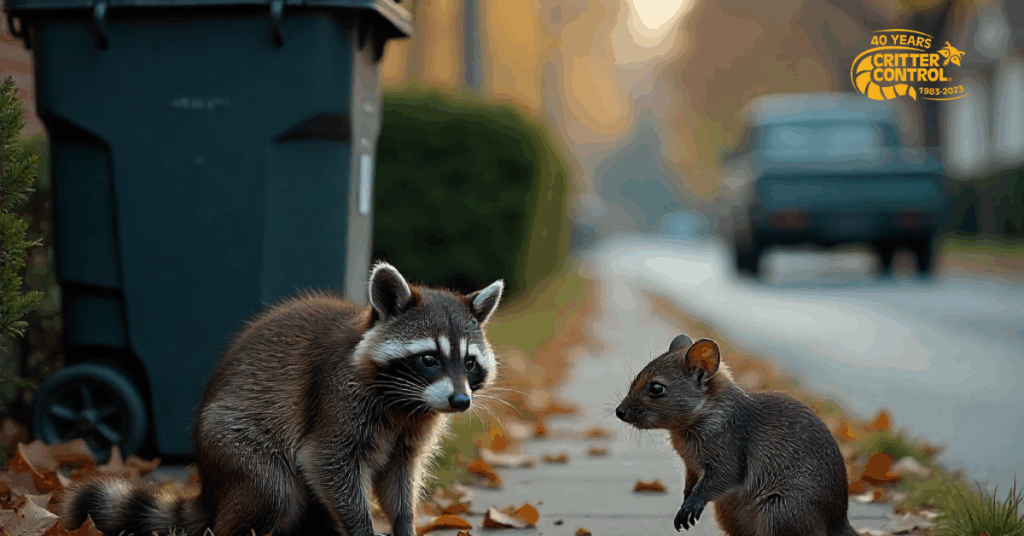
Temperature changes not only make animals change their location, it also impact their reproduction and food intake habits.
- Heat season: The reproduction of insects and rodents goes faster. It means that more small pests are born, and consequently, the infestation increases very rapidly.
- Freezing weather: Animals are mostly occupied with looking for a safe place, and they hardly move outside. It is at such moments that they enter our houses.
- Drastic shifts: Rapid changes in weather, such as a warm period in winter or a cold snap in sprin,g disorient animals. They become more energetic while looking for a secure place.
This kind of behavior is happening frequently in Tampa, where the weather is unstable. As a result, it is not unusual for homeowners to detect unanticipated wildlife movement.
Signs That Wildlife or Pests Are Around Your Home
You can spot early signs of animal activity if you know what to look for. Here are a few hints:
- Scratching or rustling noises in the attic or walls
- Droppings or nests made of leaves, paper, or fabric
- Torn insulation or chewed wires
- Strange smells or stains in corners or ceilings
- Damage to vents, gutters, or garbage bins
If you notice any of these signs, it’s important to act quickly. Wildlife can cause costly damage if left unchecked.
How to Prevent Pests and Wildlife from Entering Your Home
You don’t have to wait for a big problem before taking action. Simple preventive steps can keep pests and wild animals away.
- Seal all gaps and cracks: Check your walls, windows, roof, and attic for small holes or openings.
- Keep food sealed: Don’t leave food or pet bowls outside overnight.
- Trim trees and bushes: Overhanging branches make it easy for animals like squirrels and raccoons to reach your roof.
- Fix leaks and standing water: Water attracts both insects and wildlife.
- Clean up regularly: Remove trash and secure garbage bins tightly.
These small habits can make your home less attractive to pests and wildlife.
Why Professional Wildlife Removal Is Important
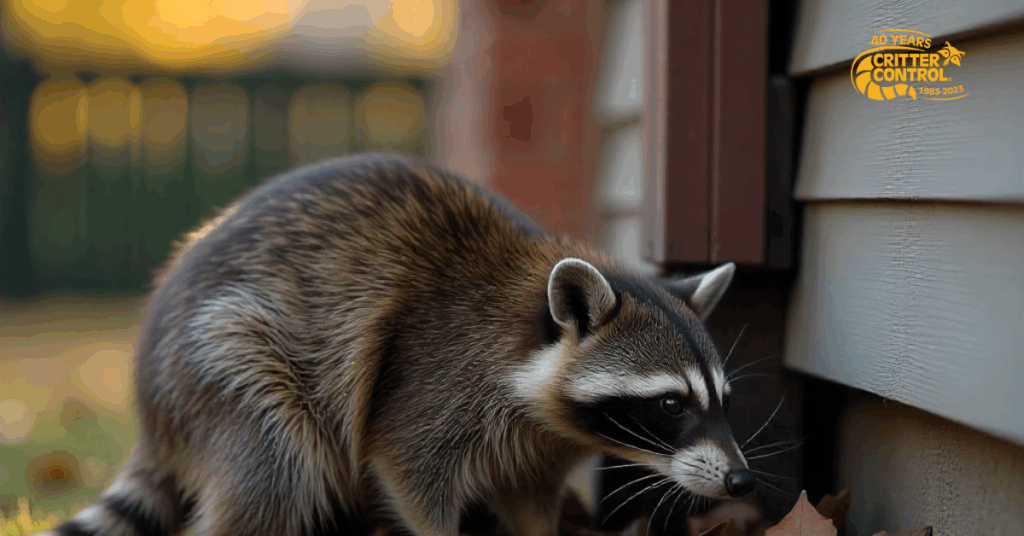
Even at times when the precautions are perfect, animals sometimes manage to get inside the premises. In such situations, the best thing to do is to get in touch with a professional wildlife removal service.
They are knowledgeable about the animals’ habits and can get the animals out in a safe and humane way. Moreover, they look for the routes of invasion, remove debris, and ensure that the issue will not become bigger.
It can be risky if you decide to take the matter into your hands. Wild animals such as raccoons, bats, and even squirrels are able to bite or be carriers of diseases. Professionals in removal of wildlife are the ones who guarantee your safety and take care of your property.
In case you reside in Tampa or its neighboring localities, the best decision to make is to call the wildlife removal Tampa experts, who will be able to give you a solution in a very short time, making you free from the trouble and saving you from the expense of repairs.
Keep Your Home Safe from Seasonal Changes
The fluctuations in temperature are a part of nature and your home is not required to “feel the pain”. In order to preserve your home from “unwanted guests” you have to be on the lookout and react promptly.
Keep in mind, insects and animals do not intend to annoy you, they only try to live. Well, if you take the necessary steps, you will be able to prevent them from entering your home whilst keeping your home safe and comfortable.
Conclusion
When the weather changes, pests and wildlife become more active, searching for food and shelter in and around homes. If you notice signs of animals or pests invading your space, don’t wait. It’s always safer and smarter to call a professional wildlife removal Tampa service.
For safe, fast, and humane solutions, visit Critter Control of Tampa. We specialize in wildlife removal and pest control, keeping your home clean, safe, and pest-free all year round.