



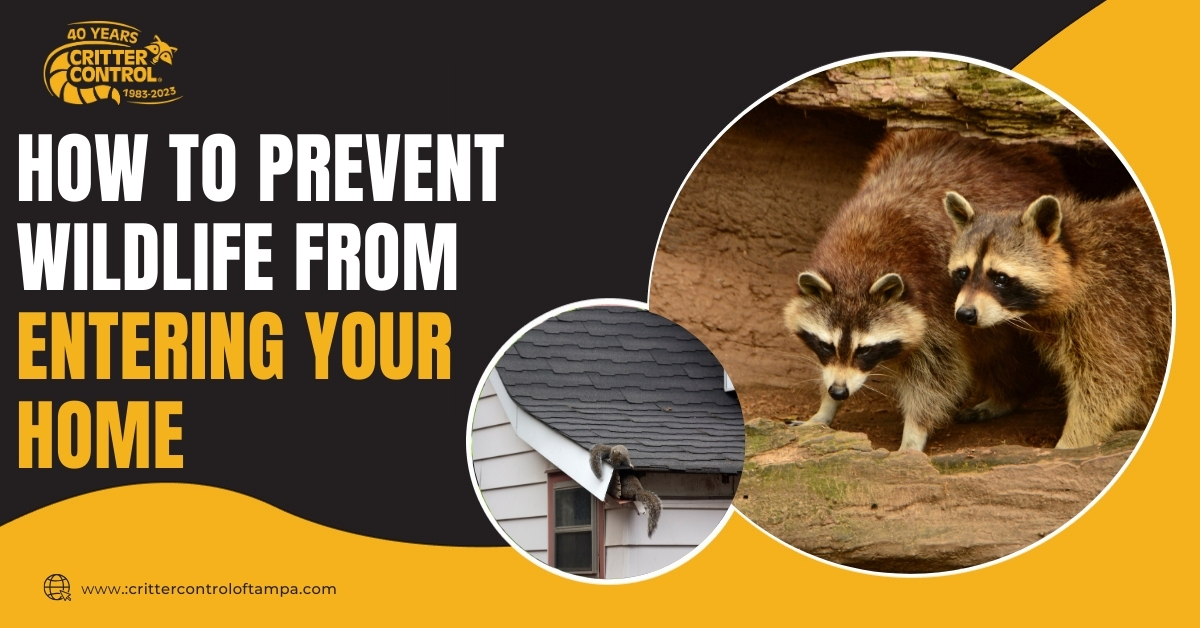
What attracts wild animals to make entry at your home, They roam in search of warmth, food, shelter, especially in urban and suburban areas, where natural habitats are limited.?
In Florida, the year-round tropical climate makes homes attractive for creatures such as raccoons, squirrels, bats, snakes, rodents, pigeons, opossums, and even armadillos. These animals consider your home the perfect place to escape extreme weather, raise their kids, and hide from scavengers.
Let’s explore more facts on how to prevent wildlife from entering your home.
Why Wildlife Invades Homes: Understanding the Triggers
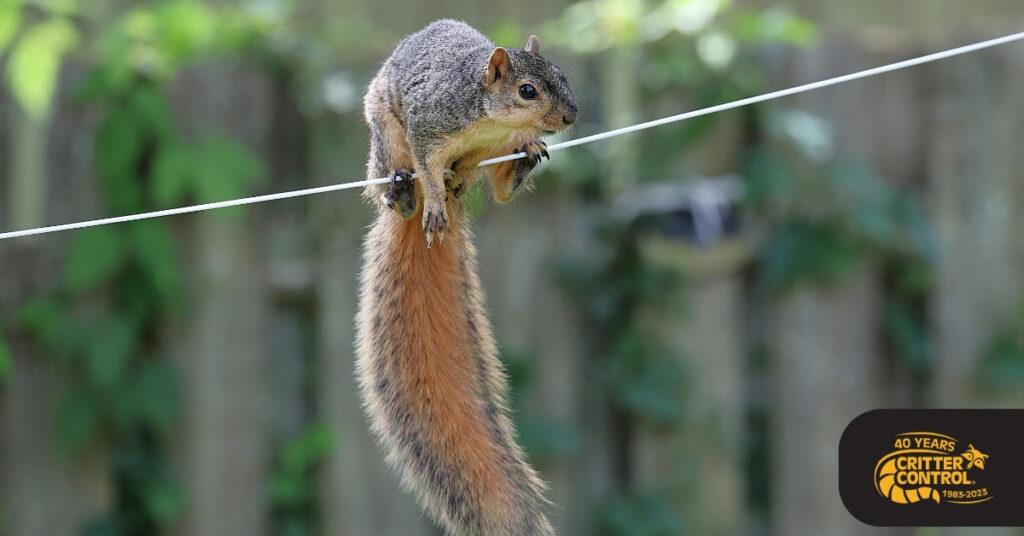
When natural habitats are destroyed due to development, wildlife starts seeking human structures for survival. Keep in mind that these animals are not being mischievous; they are just trying to survive. When they invade your home, that becomes a problem which can lead to property damage, dropping contamination, and health risks.?
By understanding the causes of wildlife invasion, homeowners can take smarter actions to eliminate the risk before it happens.Taking action early on the triggers of wildlife invasion will mean that you will be less likely to need to call in professional wildlife removal or wildlife control
Top Wildlife Entry Points You Probably Haven’t Noticed
Wildlife becomes clever and minded when it’s time to make a way to sneak inside your house. Even small holes and gaps become inviting doors for them. Here are some of the most common entry points
- Chimneys – A perfect entry point for birds, raccoons can slip in through small cracks in these areas.
- Soffits, Eaves & Dormer Gaps – Birds, bats, mice, squirrels, and raccoons can sneak through the tiniest openings in these areas.
- Doors & Windows – Gaps around ill-fitting or damaged doors and windows make great access points for mice, rats, bats, and snakes.
- Vents – Includes attic vents, roof vents, bathroom vents, dryer vents, and the range hood vent (without proper covers, these are wide open invitations for bats, birds, snakes, and many other critters).
- Decks & Porches – Areas beneath can become dens for raccoons, skunks, opossums, armadillos, snakes, and even feral cats.
- Dormer & Gable Vents / Attic Vents – Wildlife can nest or access through the small screenings or slats in these vents.
Seal It Up: How to Animal-Proof Gaps, Vents, and Crawl Spaces
To fortify your home and resist the need for wildlife removal services😕
- Install Chimney Caps – A simple cap keeps out unwelcome critters while allowing smoke and gases to escape
- Seal Soffits, Eaves & Dormer Gaps – Use durable materials like steel mesh or vent covers to close gaps helps with effective wildlife control by eliminating easy entry route
- Weatherstrip and Repair Doors & Windows – Look for cracks around sills or frames and patch them with rubber or metal flashing. Even small adjustments deter rodents and reptiles.
- Cover Vents Securely – Install sturdy covers on attic, dryer, bathroom, and range hood vents. Metal mesh is often more resilient than flimsy plastic.
- Block Access Under Structures – Enclose or trim under decks and porches with lattice or metal skirting. Ensure crawl spaces are securely screened.
- Schedule a Home Inspection – Critter Control offers free animal entry home inspections to spot hidden vulnerabilities in your home’s exterior.
Trash Trouble: How to Store Garbage Without Attracting Pests
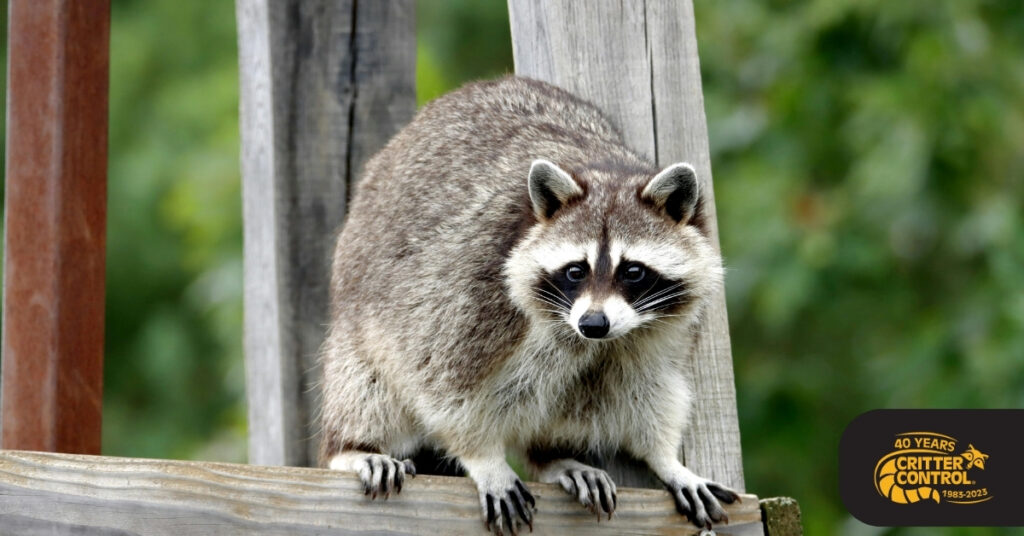
Garbage acts as a huge attractant for wildlife. Keep them away with these tips:?
- Use Wildlife-Resistant Bins – Use a locking lid or some way to secure shut wildlife-resistant bins to limit the curiosity of animals.
- Remove Food Waste Outside – Rinse food containers before disposing of them and take out garbage often.
- Keep Trash Off-Limit – Store your bins in your locked garages, sheds or enclosed areas, even overnight! Just a few simple steps can greatly reduce the chances of you eventually needing wildlife removal or wildlife control services.
When to Call a Professional for Wildlife Prevention Services
If you are able to prevent wildlife incursions with DIY methods, that’s great. Some situations necessitate professional wildlife removal services. These include:
Recurring Sighting or Sounds of Wildlife – If you hear scurrying, scratching sounds, or if you see evidence (droppings, nesting sites) of wildlife, it is time to seek wildlife removal services. No matter what type of wildlife has made its way inside the structure, there are always potential health and safety issues.
Protected Species – There are many protected animals (certain species of bats in Florida), and only licensed wildlife control services can handle protected species without fines.
Difficult to Reach or Complex Entrances – Entrances that are hidden in attics, walls, or ceilings and complex in nature can require trained technicians to handle removal properly, safely, and humanely.
Post Removal Damage Repair and Exclusion – One benefit of working with “Critter Control” ® is that they do not just remove wildlife; they also repair animal damage, clean up areas of wildlife activity, and they can incorporate exclusion measures to keep wildlife out in the future.
Final Thoughts
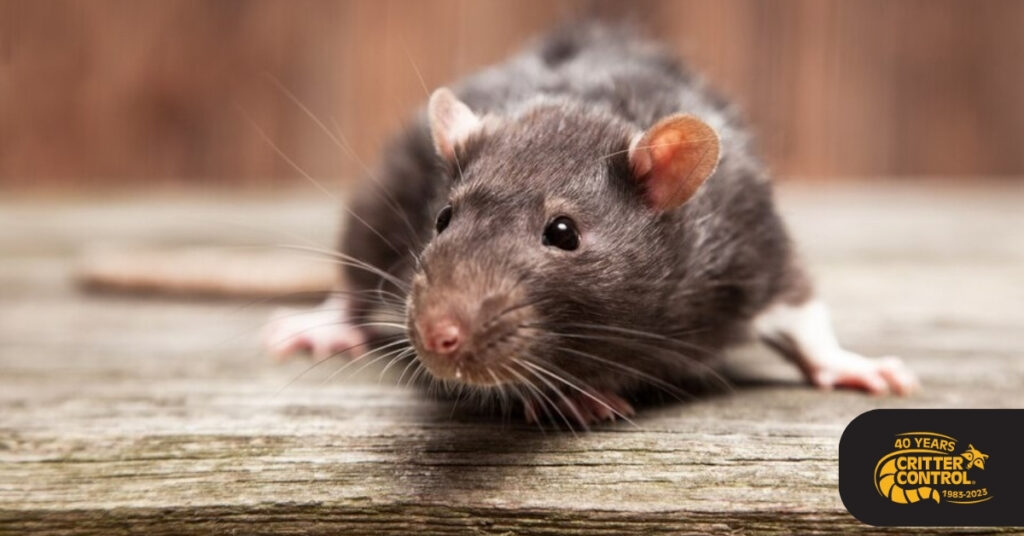
Understanding how wildlife can infiltrate your home is simply recognizing their motivations, finding their entry points, and taking logical steps to exclude them. The use of reasonable barriers, responsible waste storage, and staying vigilant will often solve your wildlife issues.
However, if you ever have concerns or if wildlife comes back, schedule an appointment with a reputable wildlife removal. For example, Critter Control ® of Tampa employs humane, safe, and effective methods for long-term solutions to keep you and the critters safe.