


Key Takeaways
- Wildlife in an attic can leave behind more than noise or visible damage.
- A proper inspection helps identify where animals entered, what areas were affected, and what work may be needed next.
- Wildlife removal is only one step; exclusion, cleanup, and restoration may also be necessary.
- Tampa homeowners should pay particular attention to roofline vulnerabilities after storms and around older homes.
- Addressing entry points after removal can help reduce the risk of animals returning.
Hearing scratching overhead at night, finding disturbed insulation, or noticing an opening near the roofline can be unsettling. In Tampa, where wildlife activity can occur throughout the year, attic problems may not disappear simply because the animal is gone.
The bigger issue is what remains afterward.
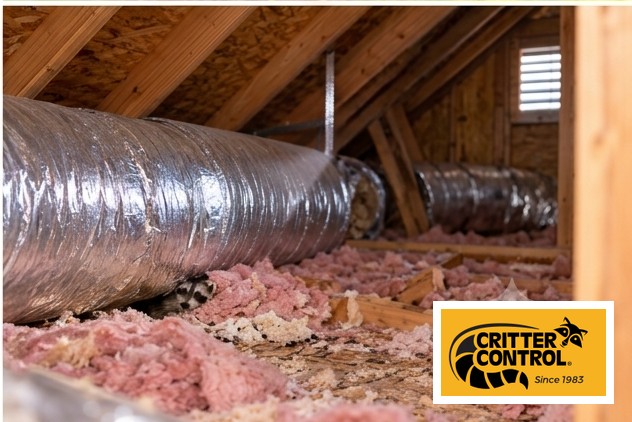
Wildlife can disrupt insulation and leave droppings or nesting material, which may result in the creation of possible entry points that allow another animal to enter the attic. That is why attic wildlife damage in Tampa should include more than simply removing it.
What Can Happen After Wildlife Gets Into an Attic?
The extent of damage depends on how long the animal has been inside and where it has been active.
Homeowners may notice:
- Displaced or damaged insulation
- Droppings or urine in affected areas
- Nesting materials
- Damaged sections around an entry point
- Scratching or movement sounds
- New openings around the roofline or other exterior areas
Tampa’s weather can add another consideration. Storms and heavy weather can create or worsen vulnerabilities around roofs and exterior areas, particularly when a home already has aging or damaged components.
The first step is figuring out exactly what happened.
Step 1: Start With a Wildlife Inspection
A wildlife inspection helps establish the scope of the problem before cleanup or repairs begin.
The inspection should look for signs of animal activity, likely entry points, affected attic areas, and damage associated with wildlife activity. This gives the homeowner a clearer picture of what needs attention rather than treating only the most obvious symptom.
If scratching has stopped, that does not necessarily mean the attic is back to normal.
Step 2: Remove the Wildlife Safely
Once activity is identified, the next step is appropriate wildlife removal.
The approach depends on the animal, its location, and the circumstances of the property. Homeowners should avoid attempting to corner or handle wildlife themselves. An animal that feels threatened can behave unpredictably.
Removal also needs to be considered alongside what happens next. Taking the animal out without addressing the conditions that allowed it inside can leave the property vulnerable to another intrusion.
Step 3: Address Entry Points With Wildlife Exclusion
After removal, exclusion focuses on reducing opportunities for wildlife to get back inside.
This may involve identifying and addressing wildlife-related openings around areas such as roof edges, vents, soffits, or other exterior access points, depending on what the inspection finds.
The goal is not simply to cover the first hole that was noticed. The inspection should help determine how the animal accessed the attic and whether additional vulnerabilities need attention.
That distinction matters. A newly sealed opening will not help much if another accessible route remains.
Step 4: Clean Areas Affected by Wildlife
Wildlife activity can leave behind droppings, nesting material and other debris.
The U.S. Environmental Protection Agency notes that areas with animal feces, decaying material, or evidence of wildlife activity can present potential exposure concerns and recommends appropriate protective measures when entering suspect environments. (U.S. EPA guidance on environmental pathogen protection)
For that reason, homeowners should think twice before sweeping or vacuuming substantial accumulations themselves.
Step 5: Consider Attic Restoration
Cleaning out an attic can expose damages that may not have been easily visible at the beginning.
Depending on the state of the attic, restoration can include the necessary repairs done to the insulation or any other wildlife-related damages. If the inspection also identifies problems with the electrical, roof, HVAC, or structural parts of the attic that fall outside the scope of the wildlife restoration process, these should be investigated by the right contractor.
The important point is to understand the condition of the attic before assuming the job is finished.
What Happens If You Only Remove the Animal?
Consider this scenario: a raccoon, squirrel, rat, or other animal is removed, but the opening it used remains accessible.
The immediate noise may stop, but the underlying vulnerability has not changed.
Likewise, removing an animal does not automatically address contaminated areas, disturbed insulation, nesting material, or other evidence left behind. A complete response follows the problem from inspection to removal, exclusion, cleanup, and restoration, when those steps are appropriate.
Why Tampa Homeowners Should Think Beyond Removal
Attic wildlife damage is often a process rather than a single problem.
Initially, a homeowner may be alerted by scratching sounds and eventually come to notice an entry point, damaged insulation, and areas that require cleaning. Taking care of these matters systematically allows to see the whole picture and understand what has taken place and what still requires attention.
For Tampa properties, that can be especially useful after severe weather or when an older home has exterior areas that have not been inspected recently.
The goal is straightforward: remove the immediate wildlife problem, understand the resulting damage, and take reasonable steps to reduce the chance of re-entry.
Get Help with Attic Wildlife Damage in Tampa
If you are hearing animal activity in your attic or have discovered signs of wildlife entry, start with an inspection rather than assuming removal is the only service needed.
Critter Control can assess wildlife-related attic concerns and help homeowners understand the next appropriate steps, including wildlife removal, exclusion, cleanup, and restoration where applicable.
Addressing the problem systematically can help protect the attic from further wildlife-related damage and reduce the likelihood of another unwanted intrusion.
FAQs
Scratching or movement sounds, disturbed insulation, droppings, nesting material, unusual odors, or visible openings can indicate wildlife activity. An inspection can help determine whether the signs are related to an active or previous intrusion.
Not necessarily. If an entry point remains accessible or wildlife has left behind contaminated material or other damage, additional work may be needed after removal.
Wildlife exclusion involves identifying and addressing openings or access points that allow animals to enter a structure. The specific approach depends on what an inspection finds.
Small amounts and different situations may require different precautions, but substantial accumulations of animal waste should not be treated casually. Protective measures and appropriate cleanup practices are important because some animal waste can present exposure concerns.
Restoration may be appropriate when wildlife activity has affected insulation or other attic components. The need for restoration is best determined after the animal has been removed and the affected areas have been assessed.